
Guys UAT test page
Guys UAT test page
Guys UAT test page

Kaupapa Māori
Lorem ipsum dolor sit amet, consectetur adipiscing elit, sed do eiusmod tempor incididunt ut labore et dolore magna aliqua. Ut enim ad minim veniam, quis nostrud exercitation ullamco laboris nisi ut aliquip ex ea commodo consequat.
Duis aute irure dolor in reprehenderit in voluptate velit esse cillum dolore eu fugiat nulla pariatur. Excepteur sint occaecat cupidatat non proident, sunt in culpa qui officia deserunt mollit anim id est laborum.
Lorem ipsum dolor sit amet, consectetur adipiscing elit, sed do eiusmod tempor incididunt ut labore et dolore magna aliqua.
Ut enim ad minim veniam, quis nostrud exercitation ullamco laboris nisi ut aliquip ex ea commodo consequat. Duis aute irure dolor in reprehenderit in voluptate velit esse cillum dolore eu fugiat nulla pariatur. Excepteur sint occaecat cupidatat non proident, sunt in culpa qui officia deserunt mollit anim id est laborum.
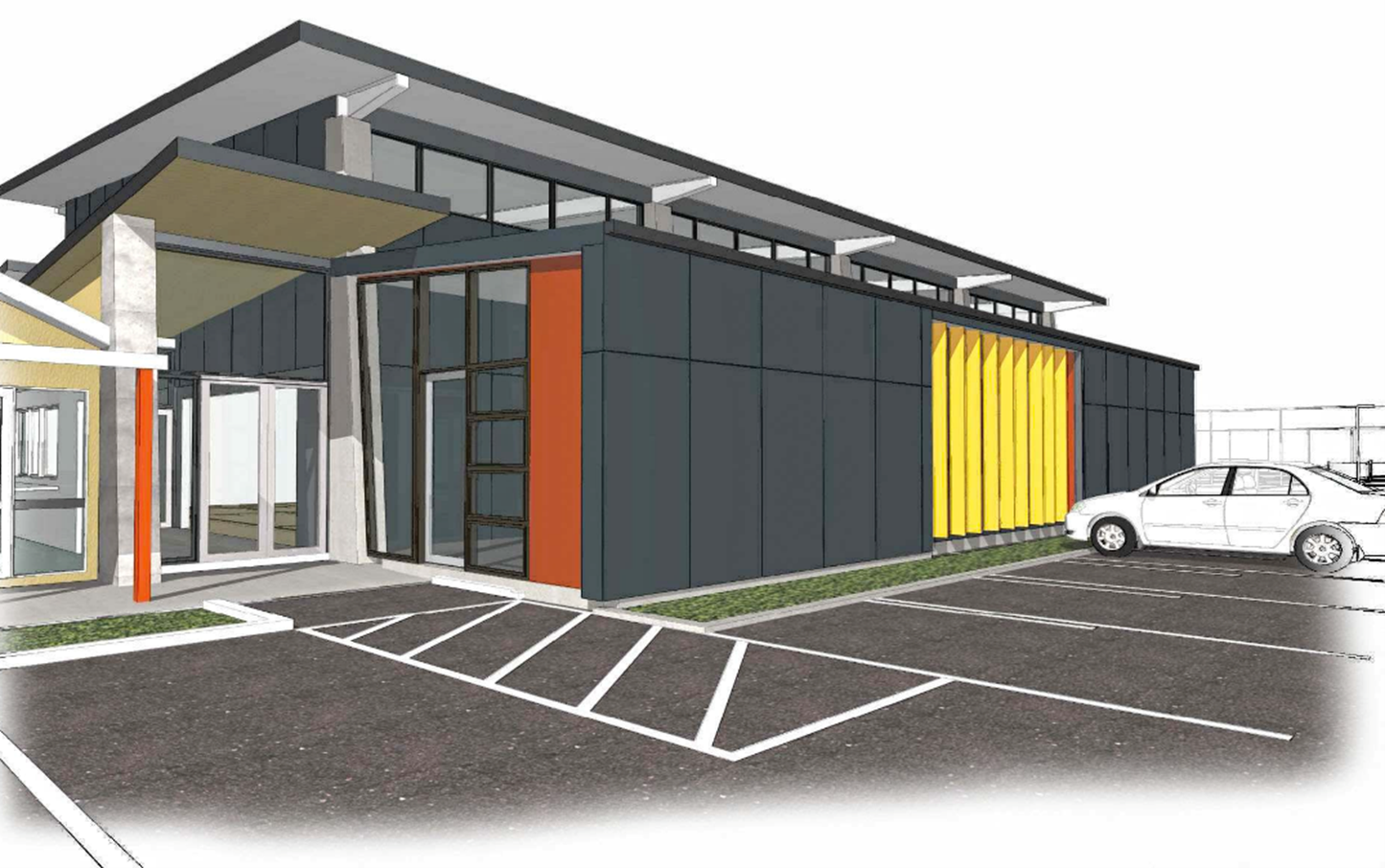
Testing deploy Feb 18 2025

-
Title 1
Lorem ipsum dolor sit amet, consectetur adipiscing elit, sed do eiusmod tempor incididunt ut labore et dolore magna aliqua. Ut enim ad minim veniam, quis nostrud exercitation ullamco laboris nisi ut aliquip ex ea commodo consequat. Duis aute irure dolor in reprehenderit in voluptate velit esse cillum dolore eu fugiat nulla pariatur. Excepteur sint occaecat cupidatat non proident, sunt in culpa qui officia deserunt mollit anim id est laborum
-
Title 2
Lorem ipsum dolor sit amet, consectetur adipiscing elit, sed do eiusmod tempor incididunt ut labore et dolore magna aliqua. Ut enim ad minim veniam, quis nostrud exercitation ullamco laboris nisi ut aliquip ex ea commodo consequat. Duis aute irure dolor in reprehenderit in voluptate velit esse cillum dolore eu fugiat nulla pariatur. Excepteur sint occaecat cupidatat non proident, sunt in culpa qui officia deserunt mollit anim id est laborum
-
Title 3
Lorem ipsum dolor sit amet, consectetur adipiscing elit, sed do eiusmod tempor incididunt ut labore et dolore magna aliqua. Ut enim ad minim veniam, quis nostrud exercitation ullamco laboris nisi ut aliquip ex ea commodo consequat. Duis aute irure dolor in reprehenderit in voluptate velit esse cillum dolore eu fugiat nulla pariatur. Excepteur sint occaecat cupidatat non proident, sunt in culpa qui officia deserunt mollit anim id est laborum
-
Item 4
Test
 Image caption goes here
Overview
The play, active recreation and sport sector is now operating in a materially tougher environment than even a quarter ago. Three intersecting pressures – tightening public funding, deepening cost and climate shocks, and accelerating digital and social risk – are converging in ways that will reshape funding, participation and delivery over the next 12–18 months. The shifts below capture the most significant developments from the June disruptor scan.
Fiscal constraint and cost pressures are biting at multiple levels. Budget settings and council pressures are eroding real funding, while higher energy, travel and operating costs are flowing through to fees, facility viability and the affordability of participation. At the same time, Treaty debates, youth digital harm, AI deployment and climate driven insurance constraints are lifting expectations of duty of care, governance and inclusion – particularly where tamariki, rangatahi and vulnerable communities are involved.
Taken together, these pressures place a growing premium on genuine co investment, shared assets and new delivery models, especially those grounded in Māori led approaches, local partnerships and low cost, low travel participation offers.
Key shifts
Public funding squeeze and operating pressure
Real funding for community, play, active recreation and sport is under pressure as costs rise and baselines stay flat. This is increasing contest for funding, raising closure or rationalisation risks for some facilities and programmes, and driving demand for sharper prioritisation, stronger advocacy and alternative revenue. Access and affordability risks are greatest in financially stretched communities with few alternatives.
Governance reform, assets and access
Reform is accelerating consolidation, asset rationalisation and role clarification across central and local government. Control of community spaces may shift to new entities or models, changing how access is negotiated, what evidence is needed, and how stewardship is shared. This increases the need for a clear sector voice on community value and collaborative approaches to keep key local facilities accessible and affordable.
Climate, insurance and place based resilience
More frequent extreme weather, rising maintenance costs and insurance constraints are making facility location and resilience strategic issues. Insurance retreat or higher premiums in high-risk areas will shift more risk onto councils, clubs and communities, forcing harder choices about which assets to protect, relocate, redesign or divest—and how to avoid inequitable loss of local access.
Youth wellbeing, digital disruption and safeguarding
Concern about youth distress, harmful online content and synthetic media abuse is lifting expectations of digital duty of care. Possible restrictions on under-16 social media use and greater scrutiny of gambling-adjacent products could reshape how organisations engage young people and how rangatahi connect with sport and recreation. Digital platforms are also embedding more data collection in community settings, raising questions about consent, privacy and fairness.
AI adoption and workforce readiness
AI is moving from pilots into everyday use across administration, communications, analysis and programme design. It offers productivity and personalisation gains, but adoption is outpacing governance, role redesign and capability in many organisations. Without shared guardrails and support, privacy, bias and workforce risks will grow, and gaps between early adopters and others will widen.
Persistent hardship, affordability and workforce strain
Affordability barriers are intensifying as household budgets tighten and organisations face rising costs and workforce strain. Demand is growing for free or low-cost offers, transport support, equipment access and culturally safe delivery. Without targeted affordability measures and cross-sector partnerships, participation inequities are likely to widen.
Inclusion, participant safety and social licence
Expectations of duty of care are rising across inclusion, brain health, enhancement drugs, sideline abuse and gambling links. Community providers, clubs and regional bodies are facing more complex wellbeing and safeguarding issues that need clearer minimum standards, education and escalation pathways. Missteps by individual organisations can quickly become system-wide trust issues.
Implications and key questions for the sector
Key shift | Implication | Key questions |
|---|---|---|
Public funding squeeze and operating pressure | Higher contest for limited funding, increased risk to facility and provider viability, and greater reliance on sharper prioritisation, shared infrastructure and alternative revenue models. |
|
Governance reform, assets and access | Changing ownership and governance of community facilities will alter who sets access terms, what evidence is required to justify public support, and how stewardship expectations are enforced. |
|
Climate, insurance and place based resilience | More frequent disruption and emerging insurance constraints increase scrutiny of which facilities are most critical, where they are located and how resilient they are, with a risk that some communities lose local access. |
|
Youth digital disruption and safeguarding | Legal, regulatory and social pressure will reshape how organisations engage with young people online, lifting expectations for digital duty of care and data governance while opening space to re engage rangatahi in active, face to face play. |
|
AI deployment and workforce readiness | AI can reduce admin burden and improve insight but, without clear governance and capability, may create privacy, bias and workforce wellbeing risks and widen gaps between organisations. |
|
Persistent hardship, affordability and workforce strain | Participation inequities are likely to widen as household discretionary spending falls and providers face rising costs and workforce fatigue, unless affordability and support are tackled at scale. |
|
Inclusion, participant safety and social licence | Rising expectations around inclusion, brain health, enhancement drugs, sideline behaviour and gambling links mean community settings will see more complex wellbeing and safeguarding issues that require clearer standards and support. |
|
Small block quote
Medium block quote
Large block quote

Key findings
Voice of tamariki shows how children (aged 8 to 13) feel about being active in Aotearoa.
These are the key findings from the tamariki who took part in the 2025 survey.
Who took part
38,321 primary school students.
From 459 schools and kura across 16 Regional Sports Trust regions.
What we heard
Tamariki are active in many ways at school, and play is central to their experience.
Being active at play time is the most common way tamariki are active at school (82%).
Tamariki like connecting and spending time with friends and playing games and sports.
Enjoyment is high for tamariki (65% enjoy being active at school overall, and 82% enjoy being active during play time).
Boys report enjoying being active with their class more than girls.
Feeling confident supports tamariki to enjoy being active. Feeling included, learning about their culture through movement, and being encouraged to be active helps tamariki build confidence in physical activity.
Tamariki want activities that feel fair and friendly. Their biggest dislike about being active is when people cheat or are mean.
Overall enjoyment and satisfaction
Tamariki are more likely to enjoy being active when they’re:
| having fun |
connecting with others | |
| feeling confident to try new things |
interested in their learning | |
feeling included during activities | |
getting opportunities to do activities they enjoy. |


"I like PE at school because I get to learn new sports and because it helps me be more active." – Year 5 student.
"Playing games with my friends because the game is based off something we're all into. Like playing a game where 2 of us are dragons and one's a human and the dragons are trying to catch it." – Year 6 student.
The top 5 things tamariki don't like about being physically active at school
65% people cheating or being mean.
48% bad weather.
43% getting hurt.
41% not getting a turn.
41% having no one to play with / being left out.
Barriers and inequities
Not all tamariki have the same experiences at school. Girls, disabled young people, Asian young people and students in higher Equity Index (EQI) schools report lower confidence, lower enjoyment and feeling less encouraged to be active:
Gender gaps show up early. At play time, 86% of boys and 78% of girls report being active.
Girls dislike more things about being active than boys.
Girls are more likely than boys to report feeling uncomfortable being watched, being left out or getting hurt while being active.
Tamariki who say it’s harder for them to do things than their peers (eg, seeing, hearing, moving, learning, reading, writing or managing their feelings) also reported more things they disliked about being active.
Tamariki enjoyment levels across contexts by gender
Percentage reporting 'quite a lot' or 'heaps'
Boys
Girls
71%
60%
73%
62%
86%
78%
68%
66%
77%
75%
Overall, at school/kura
With my class
During playtime
In a sports team or active club
In the weekend
What to focus on for tamariki
Safe, friendly and fair play
Create environments where all tamariki feel safe.
More inclusion
Especially for girls and tamariki with impairments.
More choice and control
Let tamariki decide what they do.
Less pressure and competition
Focus on fun over winning.
Better access to equipment
More spaces and resources available.
Build confidence
Support that helps tamariki believe in themselves.
More information
See the Student Voice report 2025, which brings the voice of tamariki and voice of rangatahi surveys together to give a clearer picture of how experiences of physical activity at school and kura change as young people get older.
2025 nationwide reach
Mātaiao at a glance
Targeted regional support is helping kura move from entry-level participation into sustained, embedded practice.
50
Kura receiving targeted regional support in 2025
31
New kura to Mātaiao in 2025
62%
Of tamariki say they are always active at kura
Depth, continuity and leadership engagement drive the strongest outcomes.
Mātaiao delivers the greatest impact when kura are supported to move from entry-level participation into sustained, embedded practice.
62%
Of tamariki say they are always active at kura
What difference Mātaiao makes
Where Mātaiao is embedded, impact is evident across tauira, kaiako and kura.
Tauira knowledge gained
Key gains were in atua narratives, whakapapa connections and practical environmental skills, reflecting the kaupapa and local contexts of kura. Learning in te taiao increased engagement and helped knowledge stick.
Atua Whenua
88%
Karakia
85%
Atua Wai
73%
Atua Rangi
62%
Waiata
62%
Pūrākau
50%
"Lorem ipsum dolor sit amet, consectetur adipiscing elit, sed do eiusmod tempor incididunt ut labore et dolore magna aliqua. Ut enim ad minim veniam, quis nostrud exercitation ullamco laboris nisi ut aliquip ex ea commodo consequat. Duis aute irure dolor in reprehenderit in voluptate velit esse cillum dolore eu fugiat nulla pariatur. Excepteur sint occaecat cupidatat non proident, sunt in culpa qui officia deserunt mollit anim id est laborum."
"Lorem ipsum dolor sit amet, consectetur adipiscing elit, sed do eiusmod tempor incididunt ut labore et dolore magna aliqua. Ut enim ad minim veniam, quis nostrud exercitation ullamco laboris nisi ut aliquip ex ea commodo consequat. Duis aute irure dolor in reprehenderit in voluptate velit esse cillum dolore eu fugiat nulla pariatur. Excepteur sint occaecat cupidatat non proident, sunt in culpa qui officia deserunt mollit anim id est laborum."
"Lorem ipsum dolor sit amet, consectetur adipiscing elit, sed do eiusmod tempor incididunt ut labore et dolore magna aliqua. Ut enim ad minim veniam, quis nostrud exercitation ullamco laboris nisi ut aliquip ex ea commodo consequat. Duis aute irure dolor in reprehenderit in voluptate velit esse cillum dolore eu fugiat nulla pariatur. Excepteur sint occaecat cupidatat non proident, sunt in culpa qui officia deserunt mollit anim id est laborum."


